 Tony
Finding the exact cost to build a subterranean storm shelter in Texas isn't simple. Prices range from fifteen thousand dollars for a basic buried steel box to ninety thousand dollars or more for a massive, custom-built concrete bunker. (Frankly, it's a brutal hit to your bank account.) But when severe weather hits the plains, you won't care about the bill.
Subterranean builds demand way more cash than a standard above-ground safe room bolted to your garage slab. You're paying heavy equipment operators to dig deep holes while fighting local soil issues. Property owners must weigh these steep upfront bills against the real threat of violent tornadoes in the Lone Star State. So how do you make sense of the math? Let's look at where your money actually goes.
Texas Soil Conditions and Their Financial Impact
Texas dirt isn't uniform. Black gumbo clay shrinks and swells like a dry sponge, which puts massive pressure on buried metal boxes. And if you're building out in the Hill Country, you aren't just digging—you're hiring a crew with heavy rock saws to hammer through solid limestone. (It's backbreaking work that runs the meter up fast.)
Excavation gets expensive quickly. You've got to rent track hoes, haul away dump trucks of dirt, and manage proper drainage. Without a solid sump pump and French drain setup, hydrostatic pressure will crack your walls or float your bunker right out of the ground.
💡 Key Takeaway: Soil type dictates your foundation expenses, meaning rocky terrain or heavy clay will always demand a bigger budget than loose sand.
Prefabricated Steel Versus Custom Cast-in-Place Concrete Bunkers
Prefab steel units come out of a factory ready to drop into a hole. They save you a ton on labor hours because crews can usually weld and set them in a couple of days. But they're vulnerable to rust if the exterior coating gets scratched during placement.
Cast-in-place concrete bunkers take forever to build. You're pouring thick walls, waiting for concrete to cure, and dealing with complex formwork. (Think of it like building a tiny, underground fortress from scratch.) They won't rust, and they'll handle shifting soil much better than thin steel shells.
| Option | Best for | Average Cost Range | Pros | Cons |
|---|---|---|---|---|
| Prefab Steel Shelter | Fast installs and small yards | $15,000 to $30,000 | Quick setup, factory-sealed welds | Prone to rust if coating fails |
| Custom Concrete Bunker | Long-term durability and space | $45,000 to $90,000+ | Highly customizable, incredibly tough | Long construction timelines |
| Concrete Storm Vault | Mid-tier budget needs | $30,000 to $50,000 | Sturdy middle ground | Requires heavy crane lifts |
Why does this choice matter so much? Because your framing material dictates every other penny you'll spend on finishing out the interior.
Accessory Systems and Interior Outfitting Expenses
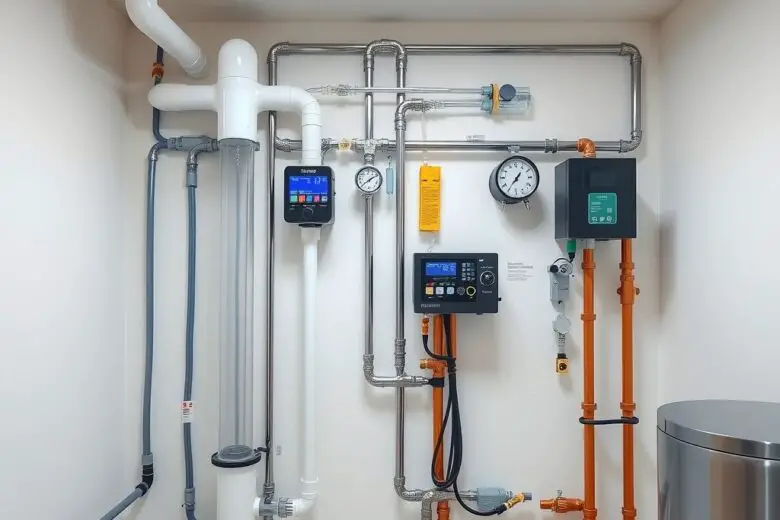
An empty metal box won't keep you alive for long. You need air. NBC-rated air filtration systems keep out chemical agents and smoke, and they usually include manual hand cranks for when the grid goes down.
Electrical setup adds up fast too. You'll want deep-cycle battery banks, LED lighting, and maybe even a hookup to The True Cost to Install a Backup Generator in Texas Homes. Don't forget potable water tanks and chemical toilets. Staying down there for twenty-four hours gets unpleasant without basic plumbing.
⚠️ Important Note: Skipping a dedicated air filtration system inside a sealed underground box can lead to dangerous carbon dioxide buildup within just a few hours.
Construction Phase Checklist
- Hire a local geotechnical engineer to test your soil compaction and water table depth.
- Call 811 to mark underground utility lines before anyone drops a shovel in the dirt.
- Vet local contractors who carry specific experience with subterranean builds in your county.
- Secure all necessary municipal permits and floodplain variance documents.
- Excavate the site and haul off excess spoils while keeping shoring walls stable.
- Set your steel or concrete shell and verify level placements.
- Pour collar beams and apply heavy-duty exterior waterproofing membranes.
- Schedule final municipal inspections before backfilling the pit.
And because things always go sideways, add a contingency fund to your spreadsheet. We usually suggest padding your estimates by at least fifteen percent to cover hidden rock or unexpected drainage issues.
If you're tackling big property upgrades, you might also want to look at The Real Cost to Build a Metal Workshop in Texas to see how heavy-duty construction costs stack up in other sectors. It's smart to compare notes before you sign any contractor agreements.
Planning Your Texas Underground Shelter Investment
Building an underground shelter keeps your family safe when Texas weather turns brutal. You just have to plan for the real-world expenses hiding beneath the surface.
Take your time with the soil tests. Hire crews who know local drainage challenges inside and out. If you get those details right, your bunker will stand strong for decades.
Frequently Asked Questions
What is the average cost to install an underground storm bunker in Texas?
Prices range from fifteen thousand dollars for basic steel units to over sixty thousand dollars for custom concrete builds. Life support add-ons push those numbers even higher.
Do Texas building codes require specific engineering for underground shelters?
Yes, your install needs to meet strict wind and impact guidelines to handle severe storms. Municipalities won't sign off on weak designs.
How do high water tables affect underground shelter construction?
High water makes your bunker want to float like a boat. You have to pay extra for heavy concrete deadmen anchors and commercial-grade waterproof sealants.
What maintenance does an underground storm bunker require over time?
You've got to inspect seals and test backup batteries annually. Moisture control units need regular checks too.