 Tony
Calculating the exact cost to install a commercial security camera system in texas depends heavily on your property size, the hardware tier you pick, and local labor rates. Most business owners spend anywhere from two thousand bucks for a basic four-camera retail setup up to twenty thousand dollars or more for massive multi-building industrial parks. You aren't just paying for the glass lenses—you're funding hours of hard labor, enterprise cabling runs, and secure data storage boxes.
Setting up a commercial surveillance network across the Lone Star State isn't cheap. It's a massive headache if you buy the wrong stuff. You've got cheap analog setups, and you've got high-end IP networks that charge you more right out of the gate. Labor rates swing wildly depending on whether you're building out a storefront in downtown Houston or a massive distribution hub out near the Panhandle.
Core Cost Drivers for Texas Commercial Security Deployments
Commercial security hardware isn't one-size-fits-all. (Frankly, it's a nightmare if you ignore your bandwidth limits.) IP camera systems carry higher initial equipment costs, but they deliver lower long-term scaling friction as your business grows because Cat6 cabling handles massive data bandwidth up to ten gigabits per second without dropping frames.
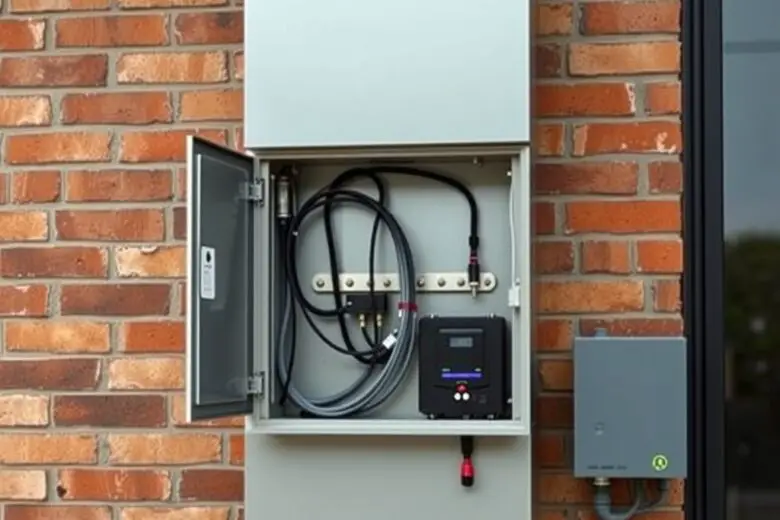
You'll need network video recorders, enterprise-grade PoE switches, and tough cabling that won't fry during a standard Texas summer thunderstorm. Poor cable planning leads to dropped feeds and fried ports.
💡 Key Takeaway: IP camera systems carry higher initial equipment costs, but they deliver lower long-term scaling friction as your business grows.
And don't forget the physical building envelope. If you're also upgrading your property with improvements like cost to install spray foam insulation in texas, you'll have to route your security conduit around that extra thermal barrier carefully.
Comparative Analysis of Security Camera System Options
| System Type | Best for | Price | Primary Advantages | Primary Limitations |
|---|---|---|---|---|
| Analog CCTV (CVI/TVI) | Small retail shops on a strict budget | Low | Cheap hardware, uses existing coaxial wiring | Lower resolution, hard to scale up |
| IP Camera Systems | Growing warehouses and multi-door offices | Moderate to High | Crisp 4K resolution, smart analytics, easy wiring | Higher upfront cost for switches and N/V/Rs |
| Cloud-Managed Surveillance (VSaaS) | Multi-location franchises with remote owners | Ongoing Subscription | Access feeds anywhere, automated cloud backups | Monthly fees add up fast over time |
Evaluating options means looking at your actual daily risk profile. A mom-and-pop store usually sticks with analog or a small IP batch. A sprawling distribution yard needs cloud-managed eyes everywhere.
Hardware and Infrastructure Expense Breakdown
Cameras cost anywhere from fifty bucks for a basic bullet model up to several hundred for an enterprise PTZ unit with optical zoom. Commercial installations in Texas cities usually average between one hundred fifty and four hundred dollars per installed camera once you factor in labor. Local NVR storage means you buy the hard drives once and own your data. Cloud subscription models charge you a monthly fee per camera lens, which creeps up on your overhead.
Cabling takes up more time and labor than most folks realize. Technicians have to pull Cat6 wire through commercial drop ceilings and route it past heavy HVAC units.
⚠️ Important Note: Hiring unlicensed contractors in Texas invalidates your insurance claims and violates state statutes completely.
If you're also replacing older property elements like tackling a Financial Analysis: The Cost to Replace a Roof in Texas, coordinate your security conduit runs at the exact same time to save on labor hours.
Regulatory Requirements and Licensing in Texas
Texas doesn't let just any handyman hang security cameras on a commercial building. The Department of Public Safety Private Security Bureau requires firms and technicians to hold valid state licenses. Try skipping this step, and you'll face stiff fines or shut-down orders.
State laws also restrict where you can point those lenses. (Think of it like a legal minefield for your break room.) You can't snoop on private employee areas or record audio without explicit consent.
Actionable Procurement Checklist
Getting bids shouldn't feel like pulling teeth. Follow these steps to keep your security project on track.
- Walk your perimeter with a notepad to spot blind spots near loading docks, side doors, and dark parking lots.
- Request three itemized bids from licensed Texas security integrators that spell out camera counts, cable footage, and labor warranties.
- Verify every vendor's license number directly through the Texas DPS online portal before signing any contracts.
- Map out a monthly maintenance routine to wipe dust off lenses, test backup batteries, and push firmware patches.
Conclusion
Getting security cameras installed right isn't a DIY weekend project. You'll need to balance hardware tiers with licensed labor rates across our state. Reach out to local contractors today to get custom bids for your exact square footage.
Frequently Asked Questions
How much does it cost to install security cameras for a small business in Texas?
Small business setups usually range from a couple grand up to five thousand dollars for a basic four-to-eight camera IP system with professional labor included. You won't get enterprise features at that price point, but it'll cover the front register and back doors nicely.
Do Texas laws require a licensed contractor to install commercial security cameras?
Yes, the Texas Department of Public Safety Private Security Bureau requires companies and technicians performing commercial installations to hold valid state licenses. Don't risk hiring an unlicensed handyman because it invalidates your insurance if something gets stolen.
What is the difference between local NVR storage and cloud storage costs?
Local NVR storage hits your wallet harder up front for the hardware box and hard drives, but you pay zero monthly fees. Cloud storage keeps initial hardware costs low, but you'll bleed cash every month on recurring subscription fees based on how many days of video you store.