 Tony
Finding the best lakes for catfish fishing in east texas means looking past the hype and checking actual water structures, bait availability, and how the state manages the fishery. You've got massive reservoirs with deep channels and heavy timber—frankly, it's a catfish playground if you know where to drop your bait. So which water bodies actually deliver when you're gunning for a personal best?
Lake Livingston, Toledo Bend, and Lake Tawakoni top the list for sheer fish density and trophy potential. But don't just pick one at random. You'll want to match the lake's bottom layout and current flow to the specific type of cat you're chasing.
Top Contenders for Blue and Flathead Catfish Yields
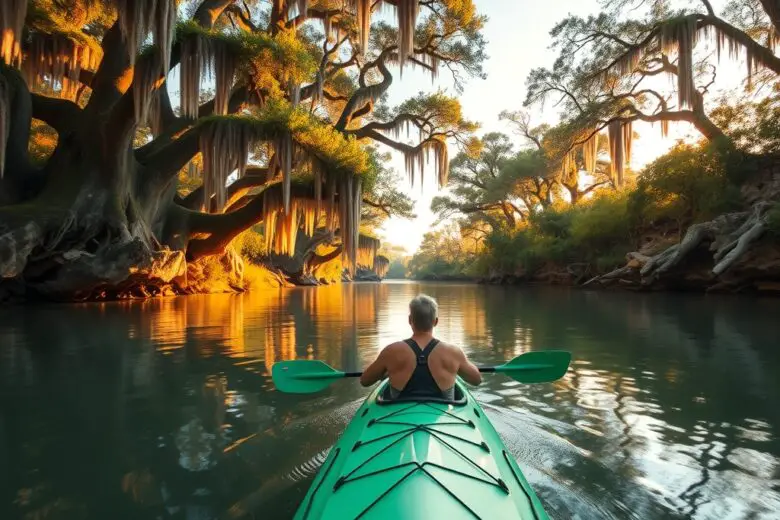
Lake Livingston brings serious current from the Trinity River, which keeps fish active and moving. Toledo Bend spans a massive footprint along the border—think of it as a drowned forest full of giant flatheads hiding in the timber. Lake Tawakoni holds huge numbers of blue cats thanks to strict catch rules and plenty of threadfin shad. Why does this matter? Because a flathead won't hang out where a blue cat feeds.
You've got to pick the right water for your target species. (It's not rocket science, but it saves you a wasted weekend.)
| Lake Option | Dominant Species | Surface Acreage | Best Structural Feature |
|---|---|---|---|
| Lake Livingston | Blue Catfish | Around 90,000 acres | Trinity River flats |
| Toledo Bend Reservoir | Flathead Catfish | Over 180,000 acres | Submerged timber |
| Lake Tawakoni | Blue Catfish | About 37,000 acres | Bridge pilings and ledges |
Evaluating Lake Livingston for Commercial and Sport Anglers
Lake Livingston is a drift-angler's dream. The constant river flow pushes fish across wide, sandy flats. (More on that in a second.) But summer weekends bring a wall of jet skis and pleasure boats. You'll get swamped if you try deep-water anchoring near the main channels on a Saturday afternoon.
So what's the workaround? You head out at dawn before the traffic starts churning the water into foam. We've seen plenty of anglers pull monster blue cats out of here by simply drifting cut shad across the lower basin flats. For broader statewide context on these giant fish, you can check out our guide on The Best Lakes for Catching Trophy Catfish in Texas.
Assessing Toledo Bend Reservoir and Lake Tawakoni Performance
Toledo Bend doesn't mess around. It's huge, deep, and full of sunken logs that eat tackle for breakfast. Flatheads love that kind of messy cover. Lake Tawakoni plays a different game entirely. It's smaller, packed with sharp ledges, and concentrates massive schools of blue cats right around concrete bridge supports during winter transitions.
💡 Key Takeaway: Reservoir selection should align directly with target species preferences; river-fed impoundments favor blue catfish, while timber-heavy waters excel for flatheads.
⚠️ Important Note: Water temperature fluctuations and sudden flood control releases can drastically alter catfish positioning within forty-eight hours, necessitating adaptive angling strategies.
And if you want to compare notes on top-tier regional fisheries before you pack your gear, take a look at Evaluating the best bass fishing lakes in north texas to see how other multi-species waters stack up. You can't treat every lake the same.
Catfish Expedition Checklist
- Review current Texas Parks and Wildlife Department bag limits and possession regulations for specific reservoir zones.
- Equip your boat with side-scan sonar to spot deep river channels and submerged brush piles.
- Catch fresh live bait like gizzard shad or sunfish before dawn to maximize hookup ratios.
- Monitor discharge rates from regional dam operators to catch feeding frenzies in tailrace areas.
Operational Realities for East Texas Angling
Local rules and access points change depending on whether you're dealing with the Sabine River Authority or the Trinity River Authority. Don't assume every boat ramp is free or even open. You'll want to check water levels online before you hook up the trailer. (Nothing ruins a trip faster than a dry boat ramp dangling five feet above the waterline.)
Commercial guides need proper state licensing and must stick to strict commercial harvesting boundaries. It's a heavily regulated game. You can't just throw out a trotline wherever you feel like it. Stay legal, stay smart, and respect the water.
Conclusion
Picking the right lake comes down to matching your gear and patience with the reservoir's natural layout. Check the weather, watch the current, and don't be afraid to pull up stakes if the fish aren't biting.
Frequently Asked Questions
Which East Texas lake holds the record for the largest blue catfish?
Lake Tawakoni and Toledo Bend consistently produce massive state-certified specimens. Specific records change as new fish hit the scales every season.
What is the best season for targeting trophy flathead catfish in this region?
Late spring through early summer offers prime conditions. Flatheads move shallow then to spawn, making them much easier to locate near heavy wood cover.
Are live bait requirements strictly enforced across all East Texas reservoirs?
Anglers must follow strict statewide rules on game fish usage as bait. Local game wardens don't mess around with illegal cast net deployments or untagged trotlines.
How do seasonal water releases affect catfish feeding behavior?
Rapid dam discharges pull massive amounts of baitfish through the spillways. Catfish stack up immediately below the current breaks to gorge themselves on stunned forage.