 Tony
Finding the best lakes for waterskiing in texas means ignoring the massive wind-swept reservoirs and looking for tight river canyons instead. You want flat water. Really flat water. Without it, you're just getting pounded by chop every time you cross the wake. We've spent plenty of time testing out Texas water bodies with a boat and a slalom ski, and let's tell you right now that surface geography beats total acreage every single time.
Picking the right spot saves you from broken gear and wasted gas. So how do you actually choose between a hundred different muddy reservoirs? You look at wind shelter, boat traffic, and shoreline development—because a crowded Sunday afternoon on an open lake will ruin your session before it starts. Let's dig into the actual options you've got across the Lone Star State.
Lake Austin: Premium Flatwater Conditions and Urban Proximity
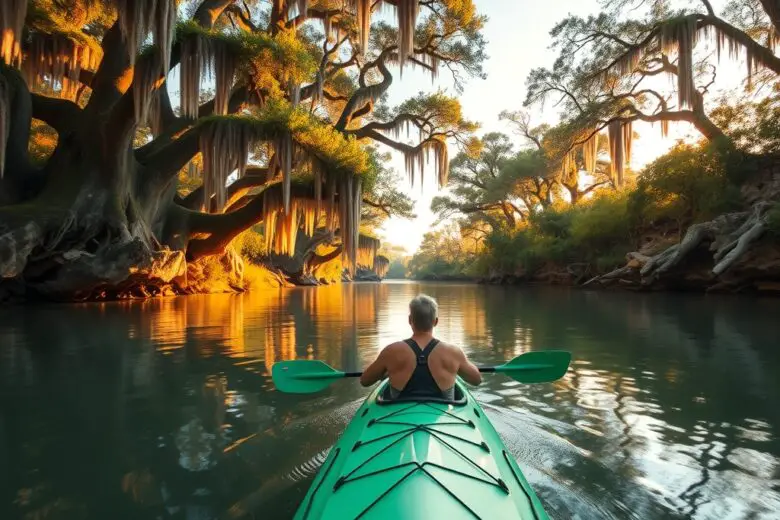
Lake Austin acts like a long, narrow ditch—and that's a compliment. The tight river canyon geography blocks most of the brutal Texas wind before it can whip up whitecaps. (Frankly, it's a waterskiier's dream.) Why does this matter? Because flat water is everything when you're carving hard behind the boat.
You won't find many shallow mud flats here either, since the deep-water channel keeps things stable right up to the bank. But you've got to deal with crowds. Local boat traffic gets heavy fast on weekends, meaning you'll need an early alarm clock if you want glass. And when you're done towing, the multi-lane public boat ramps make loading up straightforward.
Lake LBJ: Constant Level Stability and Consistent Infrastructure
Lake LBJ doesn't drop three feet every time there's a dry spell. The dams keep the surface elevation steady year-round, which takes all the guesswork out of launching your boat. You won't clip any unexpected concrete walls or newly exposed boulders today. That kind of predictability is rare around here.
Open water acreage gives you plenty of room to stretch out your runs without dodging jet skis every ten seconds. Private docks line the shore, and local clubs even keep permanent slalom courses in the protected bays. If you're comparing regional geographies and weekend vibes, it's a lot like checking out property trends over at Best Places to Buy Raw Land in East Texas—only instead of dirt, you're paying for prime aquatic access.
Choke Canyon Reservoir: Expansive Surface Area and Low Traffic Volume
Choke Canyon sits way down south, and nobody goes there. That's its superpower. You can hammer the throttle all morning without seeing another boat on the horizon. (Imagine having an entire massive lake completely to yourself.)
Open basin architecture means you've got tons of space to roam. But wind is a serious problem when there are no trees or cliffs to block it. A stiff breeze turns this quiet basin into a washing machine real quick. If you like your water sports mixed with peace and quiet, it's a solid alternative—not entirely unlike the solitude you find when Evaluating the best bass fishing lakes in north texas during the off-season.
Comparative Analysis of Texas Waterski Venues
| Reservoir Name | Surface Area (Acres) | Wind Protection | Traffic Density | Best For |
|---|---|---|---|---|
| Lake Austin | 1,830 | High | High | Early morning slalom runs in flat water |
| Lake LBJ | 6,535 | Moderate | Moderate-High | Consistent water levels and weekend cruising |
| Choke Canyon | 25,600 | Low | Low | Uncrowded space for open-water practice |
| Lake Whitney | 23,500 | Moderate | Moderate | Deep limestone cliffs and clear water |
💡 Key Takeaway: Basin geometry dictates surface quality more than total acreage. Narrow, canyon-bound reservoirs consistently outperform massive open-water lakes for morning waterskiing due to superior wind shelter.
Operational Considerations for Tournament Skiers
Slalom course permits don't just happen by magic. You have to coordinate directly with local river authorities and state park divisions before dropping any buoys in public water. (And good luck getting approval if local landowners complain about the noise.) Water temperature swings across the seasons will change how your ski flexes too—meaning your gear setup in April won't feel the same in August.
Shoreline zoning laws add another layer of headache. You can't just throw a massive wake fifty feet from a residential dock without getting law enforcement's attention.
⚠️ Important Note: Submerged timber and shifting sandbars present significant hazards in unregulated Texas reservoirs, necessitating GPS mapping and local depth verification before high-speed runs.
Actionable Selection Checklist for Water Sports Operators
- Check historical wind charts for the exact basin you want to run.
- Verify boat ramp clearance and trailer parking before you haul out there.
- Look up local municipal noise rules and restricted tow zones.
- Find the closest functional fuel dock on that specific body of water.
Conclusion
Choosing where to ski in Texas comes down to trading off wind shelter against open space. Lake Austin and Lake LBJ give you the most reliable setups for serious training. Plan your hours right, watch the weather, and keep your hull away from the shallows.
Frequently Asked Questions
Which Texas lake has the calmest water for slalom skiing?
Lake Austin offers the most reliable flatwater conditions due to its narrow river canyon geography and strict municipal wake controls. You won't find better morning glass anywhere else in the state.
Are permanent slalom courses available on public Texas reservoirs?
Private ski clubs and local municipalities maintain temporary and permanent courses on lakes like LBJ. Just remember you usually need club membership or explicit permission to use them.
How do water levels affect waterskiing safety in Texas?
Fluctuating drought conditions expose hidden stumps and shallow sandbars right where you want to turn. You have to monitor current reservoir elevations closely before every single trip.