 Tony
Quick Answer
Evaluating the best mortgage lenders for rural land loans in Texas requires assessing down payment requirements, acreage limits, and USDA or Farm Credit eligibility. Texas Farm Credit, Capital Farm Credit, and local institutions like Texas Land Bank dominate this space by offering specialized financing that traditional commercial banks often decline for undeveloped or agricultural acreage.
Structural Overview of Texas Rural Land Financing
Buying dirt isn't like buying a suburban tract home with a white picket fence. Traditional banks get skittish the moment a property lacks municipal water lines or sits at the end of an unpaved county road. (They hate unknowns.) So what does rural land financing actually mean for your wallet? You're dealing with different underwriting rules because nobody is hooking up city sewer lines five miles outside of town.
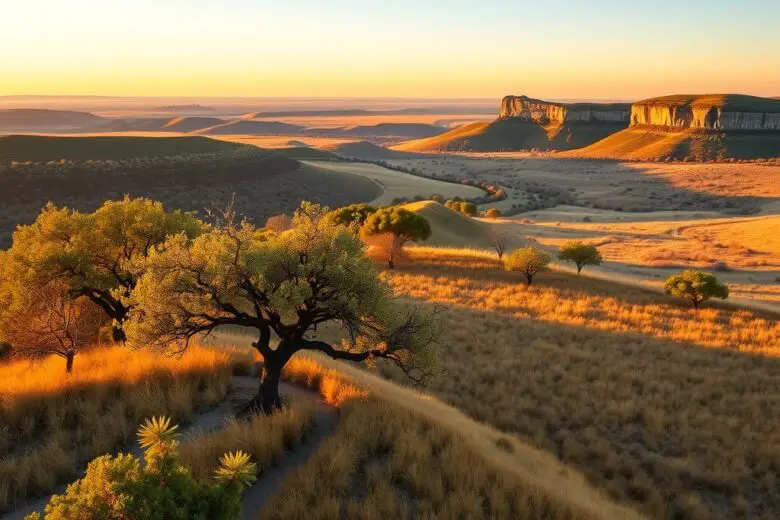
Acreage thresholds dictate how much money you can borrow against the value of the dirt. Because local zoning laws vary wildly across the state, you'll see loan-to-value ratios shift depending on whether you're buying flat West Texas pasture or oak-covered hills, much like the regional nuances you'll discover when exploring The Best Areas to Live in Hill Country Texas: Regional Evaluation and Market Analysis.
Raw land has zero improvements—no power poles, no well, no fence. Unimproved land might have a fence line, while improved land features a barn, a well, or even an old house ready for a remodel. Lenders treat each category with varying levels of suspicion. Farm Credit System cooperatives and regional lenders step in here because they understand rural liquidity better than big national banks.
💡 Key Takeaway: Rural land financing relies heavily on agricultural co-ops and regional lenders rather than standard big-box banks.
Evaluating Top Regional Lenders and Farm Credit Associations
Texas Farm Credit and Capital Farm Credit cover massive swaths of the Lone Star State. They're cooperative associations, meaning borrowers often get a slice of the profits back through patronage dividends at the end of the year. (Pretty neat trick to lower your net interest rate.) But how do they stack up against regular commercial lenders?
Traditional commercial banks cap their land loans at strict acreage limits and demand massive down payments for anything over ten acres. They just don't have the appetite for it. Local community banks and credit unions fill the gap for specific rural corridors, though you'll want to review how they operate compared to options found in Finding the Best Credit Unions in Texas with No Fees for Daily Cash Flow before signing on the dotted line.
| Lender Option | Typical LTV Ratio | Minimum Acreage | Best Suited For |
|---|---|---|---|
| Texas Farm Credit | Up to 80% | No strict minimum | Recreational buyers and farmers |
| Capital Farm Credit | Up to 85% | Varies by tract | Large agricultural operations |
| Local Credit Unions | Up to 75% | Usually under 20 acres | Small rural residential lots |
| Traditional Banks | Up to 50% | Under 10 acres | Suburban transition parcels |
Federal and State Loan Programs for Texas Acreage
The federal government wants people living in the country, and USDA Rural Development programs make that happen through Section 502 loans if the population density fits. You won't get approved for a 500-acre cattle ranch this way, but a modest homestead on a few rural acres is entirely possible.
Farm Service Agency direct and guaranteed farm ownership loans cater specifically to working agricultural producers. If you're planning to run livestock or grow crops to make a profit, look into these programs immediately.
Texas veterans get a massive perk through the Texas Veterans Land Board land loan program. They offer low-interest financing for qualifying veterans purchasing acreage within the state borders.
⚠️ Important Note: USDA and VLB programs maintain strict primary residence or agricultural use requirements that disqualify purely speculative land purchases.
Comprehensive Comparison Matrix and Selection Criteria
Matching your buyer profile to the right lender saves you months of heartbreak. Homestead builders need construction-to-permanent loans. Recreational buyers just need a reliable tract for weekend hunting, while commercial producers require lenders who understand crop cycles and livestock values.
Underwriting timelines for rural tracts take longer than standard home loans. Why? Because appraisers have to drive an hour out to the middle of nowhere and hunt down comparable sales that actually match your acreage. Texas metes and bounds property descriptions add another layer of complexity that requires a meticulous title search.
Down payments for raw land routinely sit between twenty and fifty percent. Lenders want skin in the game because empty dirt is harder to resell if a borrower defaults.
💡 Key Takeaway: Securing a pre-approval from a specialized rural lender prevents financing delays caused by inaccurate land appraisals.
Actionable Due Diligence Checklist for Texas Land Buyers
Stop right there before you make an offer on that dreamy piece of Texas pasture. You need a solid plan to verify every inch of what you're buying.
Land Due Diligence Checklist
- Verify legal and physical access via public roads or documented ingress and egress easements.
- Investigate mineral rights, surface waivers, and oil and gas lease encumbrances common in Texas property transactions.
- Assess utility infrastructure availability, including electricity lines, septic suitability via soil percolation tests, and water well drilling depths.
- Confirm agricultural or wildlife tax exemptions to maintain low property tax valuations post-purchase.
Conclusion
Selecting the right financing partner requires matching your property specifications and intended land use with a lender possessing demonstrated rural Texas expertise. Begin by requesting underwriting guidelines from at least two specialized institutions today.
Frequently Asked Questions
What is the typical down payment required for a rural land loan in Texas?
Most specialized lenders require between twenty and forty percent down for raw land. Government-backed programs often offer lower thresholds for qualifying homesteads.
Do Texas Farm Credit lenders require borrowers to be full-time farmers?
No, cooperative associations finance recreational properties, rural residential homesteads, and acreage tracts regardless of commercial agricultural production.
Can I finance a manufactured home on rural Texas land with a single loan?
Yes, construction-to-permanent combination loans cover both the land purchase and the placement of an eligible manufactured or modular home.
How do mineral rights impact rural land financing in Texas?
Lenders review mineral lease activity and surface waivers to ensure third-party extraction operations won't adversely affect the market value of the property.