 Tony
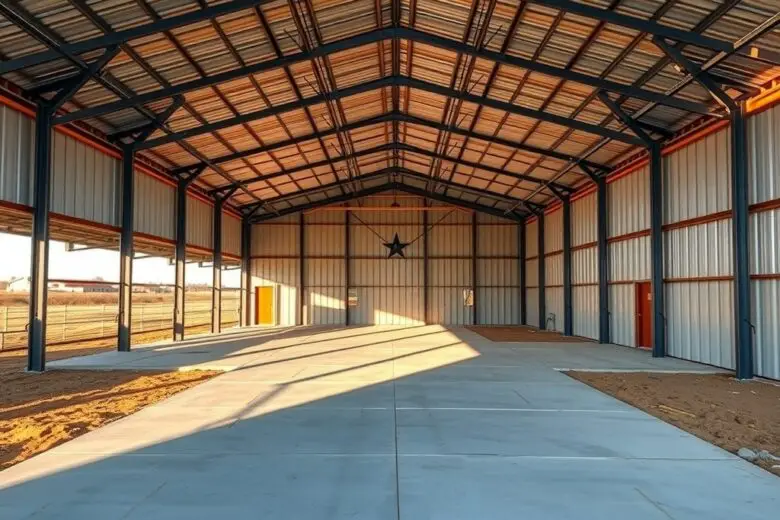
Evaluating the true cost to build a pole barn in texas means looking past the cheap sticker prices on basic timber shells. Basic post-frame shells in Texas usually run from $20 to $45 per square foot. Fully finished structures featuring concrete slabs and electrical hookups regularly jump past $50 per square foot. (Frankly, it's a wide price spread that catches many first-time builders completely off guard.) You can't just guess a number and hope for the best—not when lumber prices and regional labor markets shift every single month.
Core Cost Drivers and Material Variables
Lumber and steel prices move fast. One bad storm in the Pacific Northwest can send your material estimates soaring before the crew even unloads a post. You've got to watch the spot market if you're buying materials yourself. (And good luck guessing where the market's heading next week.)
Dimensions dictate everything. A taller building requires heavier posts, extra bracing, and specialized lift equipment. Think of it like renting a crane just to reach the roofline. Foundation choices make or break your budget too. A simple gravel pad costs pennies compared to a reinforced concrete monolith slab designed to handle heavy farm equipment.
Labor isn't cheap. Finding reliable crews in fast-growing suburbs costs a lot more than hiring local builders out in rural counties where overhead drops significantly. Readers scoping out heavy-duty property upgrades might also want to check our detailed notes on The Real Cost to Build a Metal Workshop in Texas for alternative framing comparisons. It's smart to know what your options are before you sign any contractor agreements. So what goes into these price tags anyway?
💡 Key Takeaway: Material quality and engineering wind-load ratings for coastal hurricane zones or North Texas high-wind regions dictate structural reinforcement costs.
Comprehensive Option Comparison
| Structural Option | Average Cost Per Sq Ft | Primary Advantage | Optimal Application |
|---|---|---|---|
| Basic Post-Frame Shell | $20 – $35 | Lowest initial capital expenditure | Agricultural storage and livestock shelter |
| Insulated Workshop | $50 – $80 | Climate-controlled utility and workspace | Commercial equipment maintenance and hobby shops |
| Custom Barndominium | $90 – $150+ | Habitable residential configuration | Rural residential housing and multi-use property development |
Why does this table matter? Because builders often pitch you the cheap shell price without mentioning that you'll spend double that amount just to get running water and drywall inside.
⚠️ Important Note: Foundation preparation must account for expansive Texas clay soils, requiring engineered pier depths or specialized slab thickening to prevent structural shift.
Site Preparation and Land Development Expenses
Clearing acreage takes time and heavy iron. You have to root out stubborn mesquite trees, clear brush, and strip topsoil before any builder will touch your dirt. (And if you skip this step, your barn might sink or flood during the first big spring downpour.)
Grading is next on the list. You need precise runoff slopes to keep water away from your posts—otherwise, your wood rot timeline cuts right in half. Then there's utility trenching to consider. Running power, water, and data lines out to a detached barn across several hundred feet of pasture adds up fast.
For sites requiring extensive acreage preparation, reference our detailed insights on Comprehensive Financial Analysis: The Cost to Clear Wooded Land in Texas. It gives you a clear picture of what heavy dirt work actually costs out in the brush.
Actionable Budgeting Checklist for Texas Property Owners
Don't start digging holes until you've run through a proper game plan. Here is a quick checklist to keep your project out of the ditch.
- Obtain a minimum of three formal contractor bids incorporating site-specific engineering stamped for local wind loads.
- Allocate a ten to fifteen percent contingency fund for unexpected subgrade anomalies or material cost inflation.
- Verify zoning restrictions, agricultural exemptions, and county setback requirements prior to material procurement.
- Schedule utility locates through Texas 811 before initiating any post-hole excavation or grading operations.
- Finalize interior finish-out specifications, including electrical panel sizing and insulation grades, to lock in turn-key pricing.
Conclusion and Next Steps
Building a pole barn in the Lone Star State takes patience and a sharp eye on your line items. You'll avoid costly change orders by locking down your engineering specs and soil tests early. Your best next step is calling a local geotechnical engineer to pull soil samples from your exact build site before you talk to any framing contractors.
Frequently Asked Questions
What is the average total cost for a standard 30×40 pole barn in Texas?
Standard basic shells typically total between twenty-four thousand and forty-eight thousand dollars before site prep and concrete slabs. You'll see those numbers climb once you add electrical packages or custom sliding doors. Don't forget that finishing the interior pushes your final investment much higher.
Are permits required to build a pole barn in unincorporated Texas counties?
Permitting rules vary significantly by county, though most jurisdictions mandate wind-load engineering compliance regardless of incorporation status. You should always check with your local county judge or development office before ordering materials. It's better to ask upfront than face a red tag later.
How do Texas soil conditions affect pole barn foundation costs?
Expansive clay soils frequently require deeper treated wood posts or engineered concrete footings to prevent shifting and heave. You can't treat black gumbo clay like normal dirt—it swells and shrinks with every rain cycle. Contractors have to over-excavate and pour more concrete to keep the building square.